
Alentejo: time stands still in the soul of Portugal
Alentejo is the opposite of haste. It doesn't impress at first glance or explain itself in half a dozen photographs. It's a region that demands time, attention and presence. Here, the pace slows naturally and the experience begins the moment you cross the Tagus and the horizon opens up.
It's a broad, silent Portugal, deeply connected to the land. A place where distances are measured more by time than by kilometers, and where living slowly isn't a trend - it's simply the way it's always been.
The healing landscape
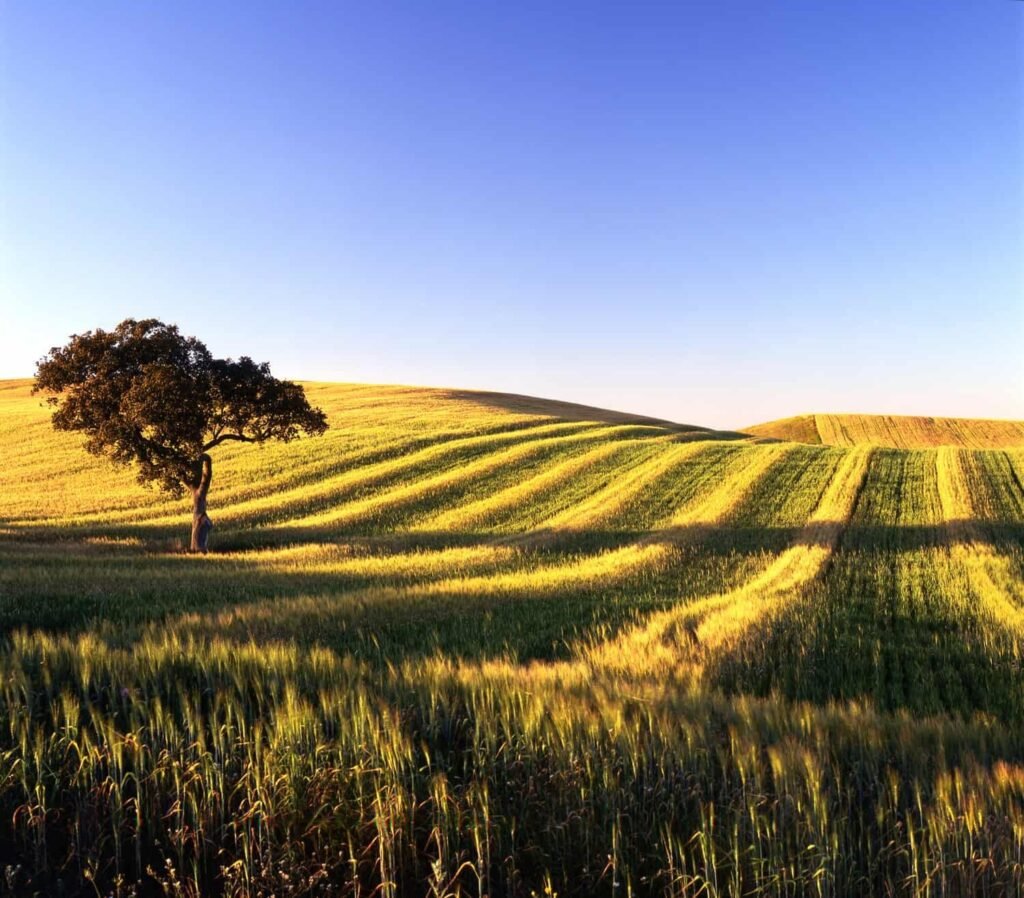
Alentejo doesn't impress with its dramatic grandeur. It impresses with its serene vastness, the way the landscape stretches as far as the eye can see, only interrupted by a traditional hill here, a winery there, a flock of sheep grazing in the distance. It's a landscape that demands deceleration, that doesn't allow itself to be consumed in a hurry, that reveals its beauty only to those who are willing to contemplate it.
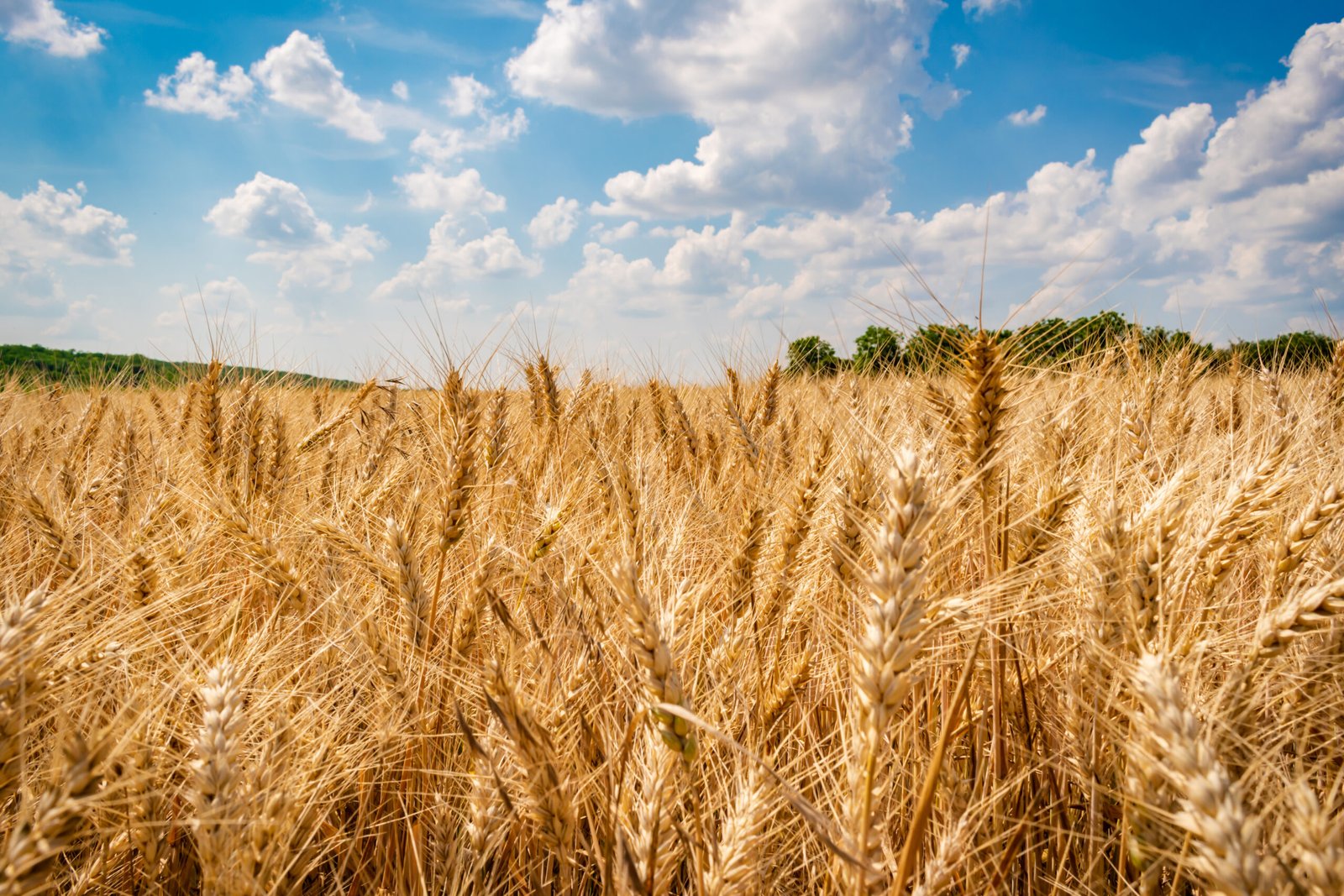
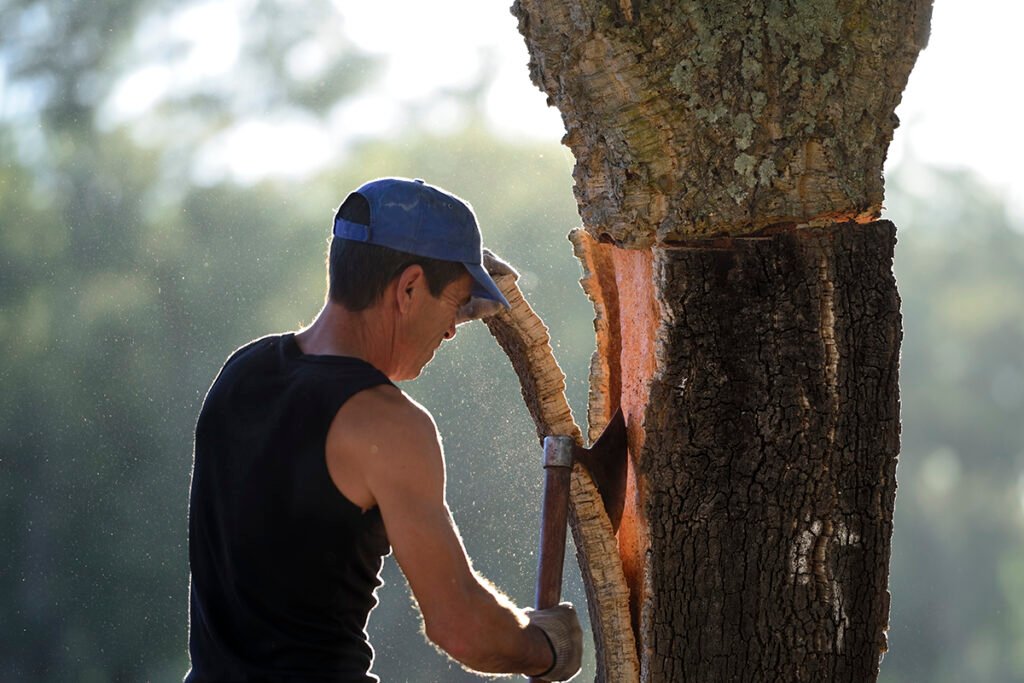
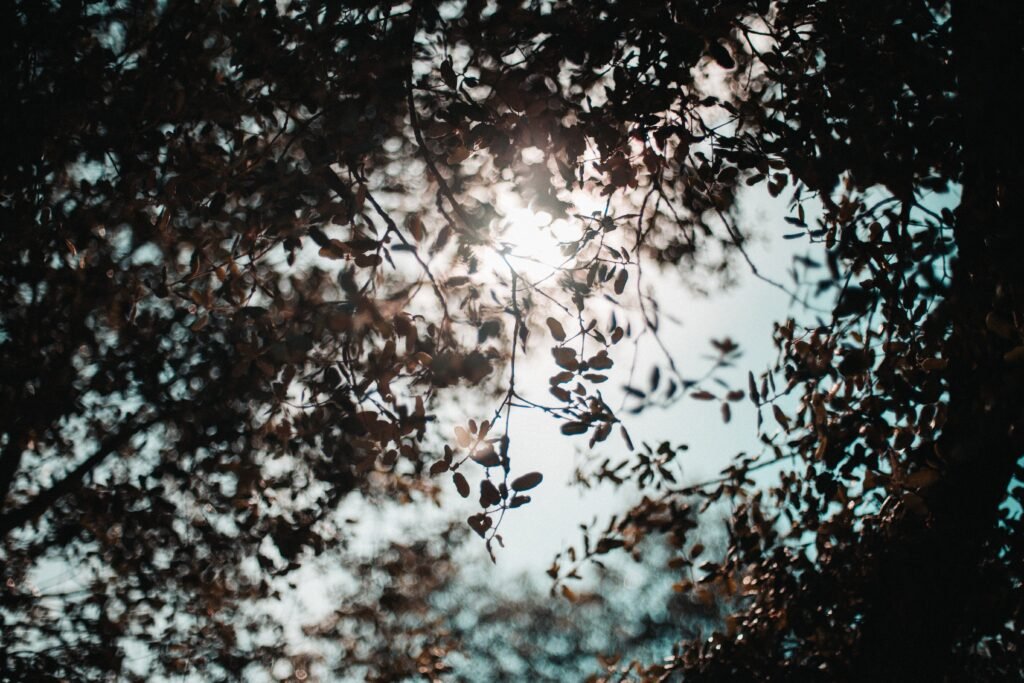
The wheat fields wave in the wind like a golden sea. The cork oak forests - where the cork that made the region world famous comes from - create cozy shadows where the cattle seek refuge on hot summer afternoons. And when the sun begins to descend, the light transforms everything into shades of gold and amber that no photograph can truly capture.
Gastronomy: generosity at the table
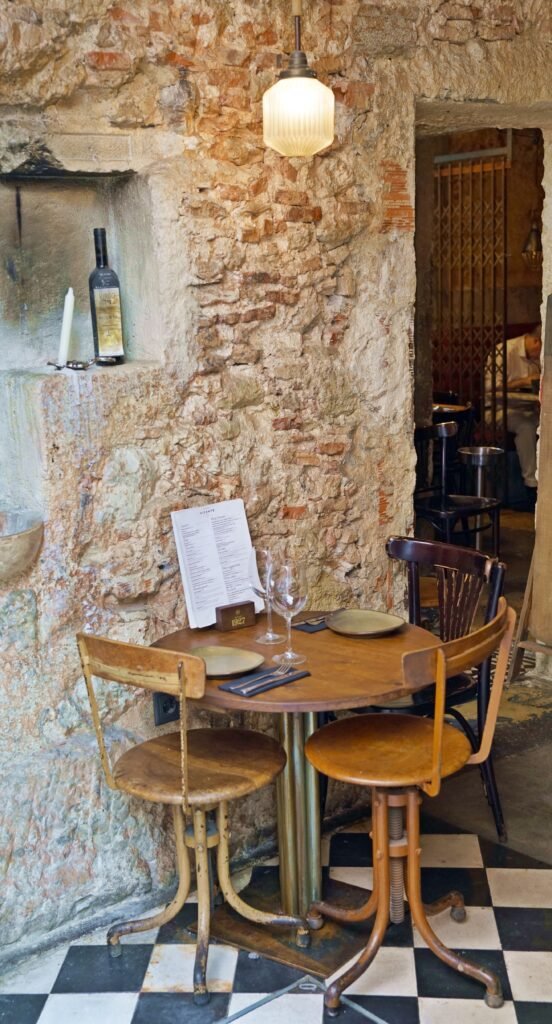
In Alentejo, eating is sharing. Gastronomy is born from the land, from necessity and from the wisdom accumulated over time. Nothing is excessive, but everything is done with intention. Recipes are passed down from grandparents to grandchildren, kept as family treasures.
Açordas and migas, born out the need not to waste bread, have become dishes of absolute comfort. The Alentejo black pig, raised free in the wild, offers meat with an incomparable flavor. Cheeses from Serpa and Évora, cured to perfection, require just a drizzle of honey and a glass of local wine to become delicacies.
And speaking of wine: Alentejo has established itself as one of the great wine regions of Portugal. From large estates to small family producers, there are wines to suit all tastes - full-bodied reds that tell stories of hot summers, fresh whites that surprise with their elegance, and that ancestral carved wine that is produced as it was two thousand years ago.
“Here, meals are not rushed. They are moments of conviviality, conversation and pause - just like everything else.”
Villages that tell stories
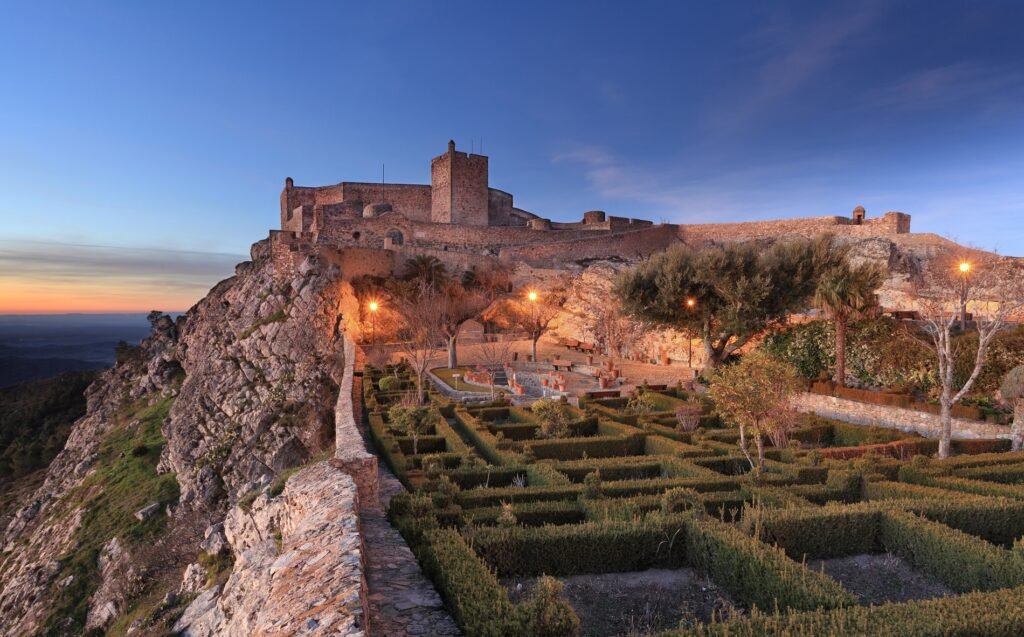
The villages of Alentejo are living postcards of a Portugal that resists the modern rush. Évora, a UNESCO world heritage site, holds a Roman temple, a medieval cathedral and a history that spans millennia. Monsaraz, perched on a hill above Alqueva, appears to have stopped in medieval times, with its intact walls and dirt streets.
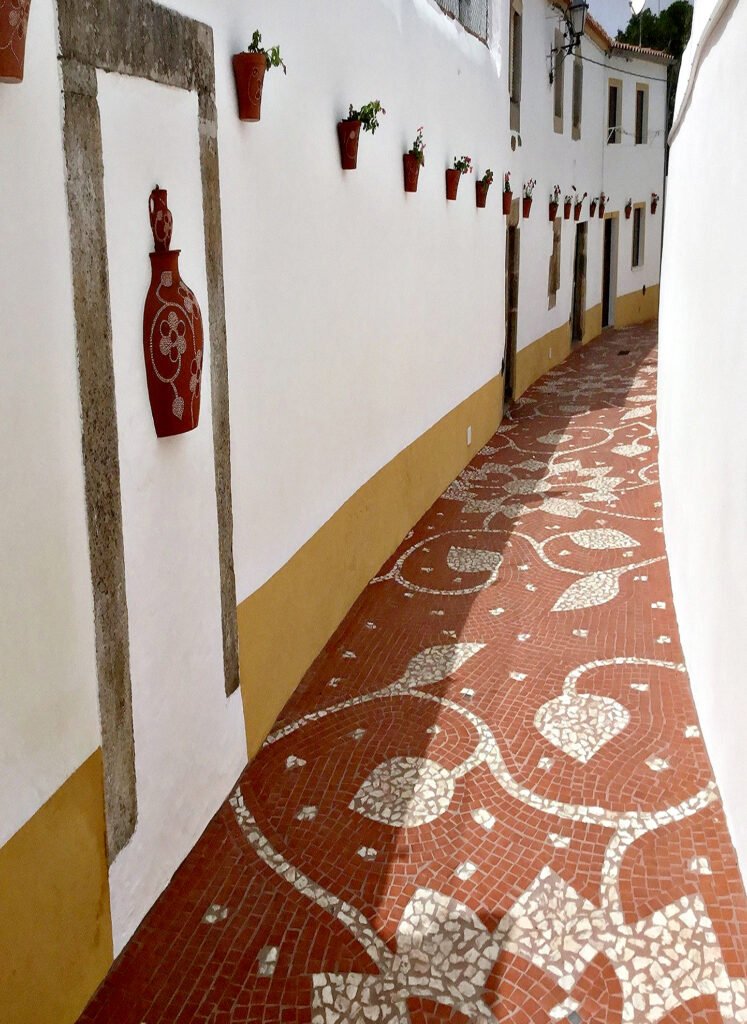
Alentejo towns maintain a strong and recognizable identity. Narrow streets, white houses, castles at the highest point and a clear connection with the past. Marvão, Estremoz, Vila Viçosa, Arraiolos — each village has its personality, its crafts, its gastronomic specialty, its story to tell. And in all of them, one finds the same warm hospitality, the same genuine joy in welcoming those who come from abroad.
Cante Alentejano: the collective voice born of the land
Cante Alentejano was born on the plains of the Alentejo, sung in groups by rural workers as a form of sharing, resistance and identity, becoming one of the deepest pillars of Alentejo culture. Recognized as Intangible Cultural Heritage of Humanity by UNESCO, it is a unique expression where the human voice replaces instruments and preserves the collective memory of the people.
The luxury of silence
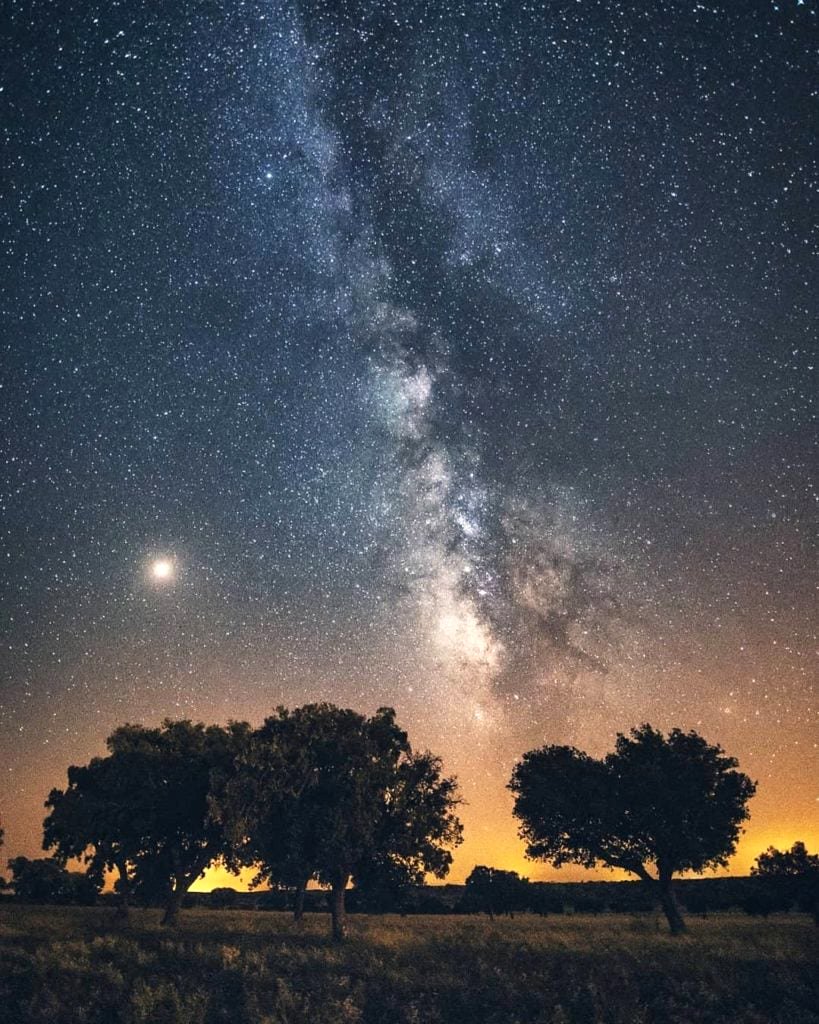
In a world saturated with stimuli and constant noise, Alentejo offers an increasingly rare luxury: silence. Starry nights without light pollution, where the Milky Way is revealed in all its splendor. Mornings when the only sound is the song of cicadas and the distant bell of a church. Afternoons when time stands still and nothing is urgent.
This silence is not absence. It's space. Space to think, to rest and to disconnect from the constant noise of everyday life. Anyone who spends time in the Alentejo feels this difference - not as a spectacle, but as a balance.
The Alentejo is not visited in passing. You live there with time. And that's what makes it so hard to forget.