Sustainable tourism in Portugal: traveling with a conscience
Traveling is a privilege. Getting to know new places, cultures and people enriches us in ways that few other experiences can. But as the world wakes up to the urgency of environmental issues, one question becomes unavoidable: how can we continue to explore the world without destroying it?
The answer is not to stop traveling. It lies in traveling differently - more consciously, more responsibly, more connected to the places and communities we visit. And Portugal, with its human scale and growing commitment to sustainability, offers the perfect setting for this new way of discovering the world.
What is sustainable tourism?
Sustainable tourism is not just an environmental issue, although this is fundamental. It's an approach that considers three interconnected dimensions: the impact on the environment, the benefit for local communities and the preservation of cultural heritage. It means choosing options that minimize the ecological footprint, that make money circulate in the local economy and that respect the traditions and ways of life of the destinations visited.
In practice, it means preferring low-emission transportation, supporting local businesses rather than big international chains, respecting natural and cultural resources, and seeking out authentic experiences rather than mass-market attractions. Small choices that, multiplied by millions of travelers, make all the difference.
Portugal: a naturally sustainable destination
Portugal has unique conditions for sustainable tourism. Its compact size makes it possible to explore different regions without having to travel far. The tradition of family hospitality keeps alive a network of local lodgings, family-run restaurants and artisan producers that offer authentic alternatives to mass tourism. And growing environmental awareness has multiplied the options for sustainable mobility.
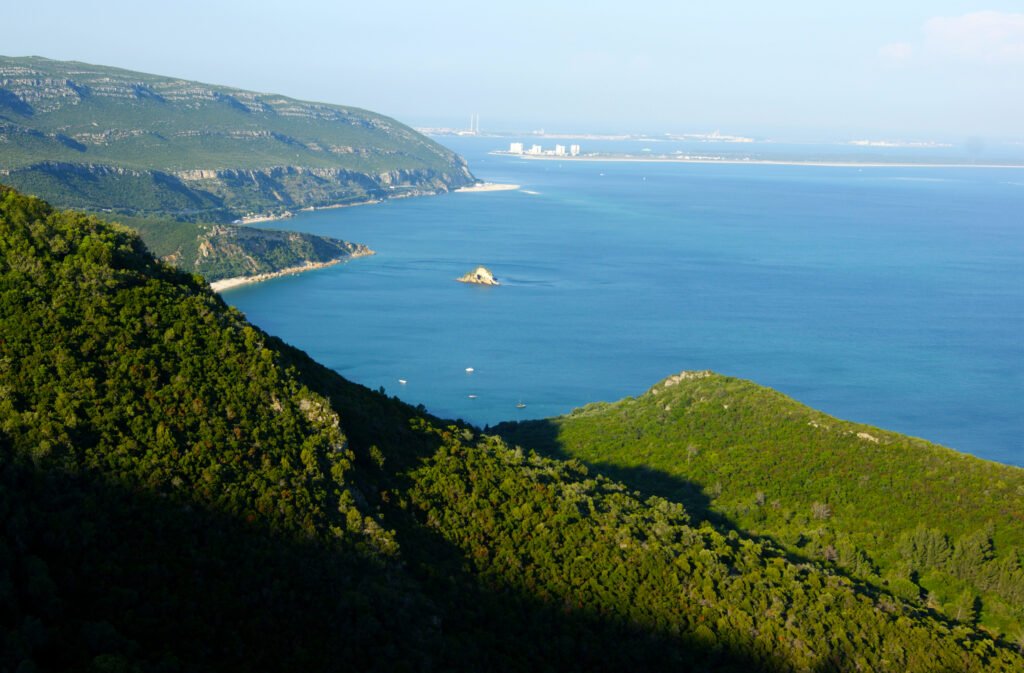
The network of protected areas - from the Arrábida Biosphere Reserve to the Serra da Estrela Natural Park - offers unspoiled nature experiences. Protected designations of origin guarantee quality local products, from wines to cheeses. And more and more tour operators are adopting responsible practices, from electric vehicles to partnerships with local communities.

Choices that make a difference
Traveling sustainably doesn't require sacrifices - it just requires conscious choices. Opting for a guided tour in an electric vehicle instead of renting a combustion car. Choosing the family restaurant where grandma still cooks traditional recipes instead of the international chain. Buying handicrafts directly from the artisan instead of souvenirs made on the other side of the world.
It also means respecting the rhythms and limits of the places. Visiting outside the high season when possible, avoiding overloading popular destinations. Staying longer in one place rather than rushing between many. Looking for experiences off the beaten track, discovering a Portugal authenticity that mass tourism rarely achieves.
“Opt for local handicrafts, made by the people who work them, rather than souvenirs mass-produced elsewhere in the world.”
The role of the conscious traveler
Every traveler has power. The power to choose where they spend their money, what kind of experiences they seek, what impact they leave on the places they visit. This power comes with responsibility, but also with an unexpected reward: richer and more meaningful journeys.
Because the truth is that sustainable tourism isn't just better for the planet and local communities. It's also better for the traveler. The most authentic experiences, the most genuine connections, the most lasting memories - almost always come when we get off the beaten track and get really close to the places and the people.
A shared commitment
The future of tourism depends on the choices we make today. Every time we opt for a responsible operator, for local accommodation, for an authentic experience, we are voting for the kind of tourism we want to see thrive. We are ensuring that the magical places we discover today will continue to be available for future generations.
Portugal deserves visitors who respect it as much as it welcomes us. Traveling with awareness is not a limitation - it's a deeper and more rewarding way of discovering this extraordinary country.